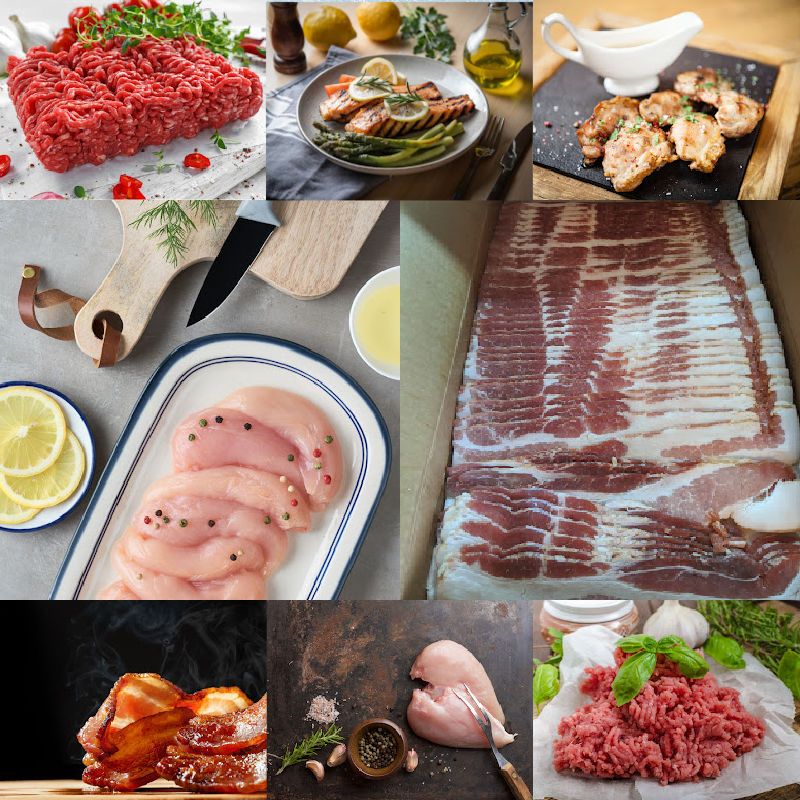



Understand meat color changes in fresh farm chicken, what causes lighter or cream-colored areas, and how the color of protein reflects natural processing.
And Why Lighter, Cream-Colored Areas Sometimes Appear
If you’ve ever opened a package of fresh farm chicken and noticed differences in color — from pale pink to slightly darker tones, or even light cream-colored areas — you’re not alone. These natural variations often raise questions, especially when customers expect every piece to look identical.
The good news: these differences are normal, natural, and safe.
Understanding why meat color changes occur helps explain what you’re seeing and why it’s actually a sign of fresh, minimally processed chicken — not a quality concern.
Chicken Is a Natural Product — Not a Manufactured One
Unlike highly processed foods, fresh farm chicken reflects natural biological variation. No two birds are exactly alike, and neither are their muscles. Because chicken is a whole, natural protein, variations in the color of protein are to be expected.
Several factors influence the color of raw chicken:
- Muscle structure and use
- Natural fat and connective tissue
- Genetics, age, and diet of the bird
- How the chicken is handled during trimming and packing
Because of these factors, meat color changes can appear even within the same package of chicken, and that’s completely normal.

(This is clearly visible when multiple breasts are trimmed and prepared together, as shown in the photo above.)
Why Some Chicken Appears Lighter or Cream-Colored
One of the most common questions we hear is about light or cream-colored areas that can appear on parts of the chicken, especially after trimming. This is a common characteristic of fresh farm chicken that hasn’t been overly processed.
This typically happens when chicken is exposed to air.
What’s happening?
When fresh chicken is cut and handled:
- Oxygen interacts with the surface of the meat
- Surface moisture shifts slightly
- Natural proteins and fats reflect light differently
These natural reactions cause subtle meat color changes, resulting in a lighter, cream-toned appearance on exposed areas. This change is cosmetic only and does not affect safety, freshness, or flavor. It’s simply how the color of protein responds to air and handling.
Why Stacking During Trimming Makes This More Noticeable
During normal processing, chicken pieces are often stacked briefly before packaging. This creates two conditions at once:
- Areas underneath retain more moisture and appear slightly darker
- Areas exposed to air appear lighter by comparison
Once the pieces are separated and packaged, the color often evens out — but sometimes the lighter areas remain visible. This is still completely normal and expected with fresh farm chicken.

(This photo showing stacked chicken during trimming clearly demonstrates this contrast.)
What Color Changes Do Not Mean
It’s important to clarify what these natural meat color changes do not indicate:
❌ Not spoilage
❌ Not improper handling
❌ Not reduced quality
Fresh chicken should always be evaluated by smell and texture rather than color alone. A clean, mild smell and a firm, moist texture are the true indicators of freshness — not slight variation in the color of protein.
A Sign of Fresh, Minimally Processed Chicken
Ironically, very uniform color is more common in heavily processed poultry. Natural variation is far more common in:
- Fresh
- Minimally handled
- Small-batch or carefully trimmed chicken
In other words, seeing natural meat color changes is often a sign that your fresh farm chicken hasn’t been over-processed — and that’s a good thing.