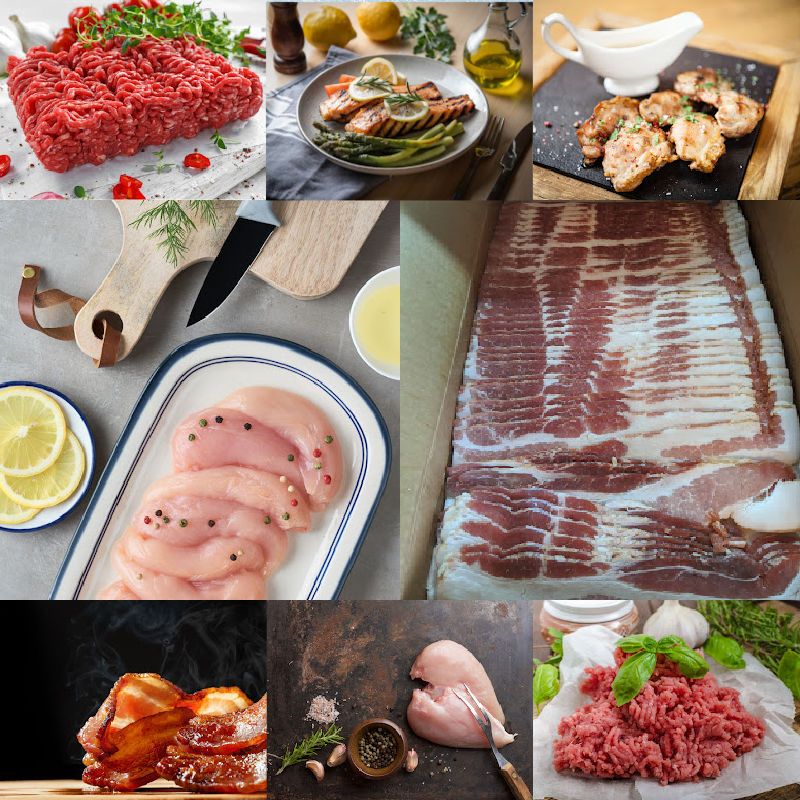



Can I thaw and refreeze meat? Learn when it’s safe to refreeze thawed meat, how thawing methods affect food safety, and tips for freezing cooked meat.
Can I thaw and refreeze meat? Yes, in many cases you can safely thaw and refreeze meat—but how you thawed it makes a big difference. Meat that has been thawed safely in the refrigerator can generally be refrozen without cooking it first. However, meat thawed using other methods, such as cold water or the microwave, should be cooked before it is refrozen.
Knowing when you can safely refreeze meat can help prevent food waste, protect your family from foodborne illness, and make managing a full freezer much easier.
The good news is that refreezing meat isn't automatically unsafe. The most important factors are how the meat was thawed, how long it was kept at safe temperatures, and whether it was cooked before being refrozen when necessary.
Let's take a closer look at what you need to know.
Can I Thaw and Refreeze Meat?
If you're wondering, can I thaw and refreeze meat, the answer is yes—as long as the meat was thawed safely.
According to the USDA, raw or cooked meat that has been thawed in the refrigerator can safely be refrozen without cooking or reheating it first. There may be some loss of quality, particularly because thawing can cause the meat to lose moisture, but refreezing itself does not make properly handled meat unsafe.
For example, imagine you take a package of chicken breasts out of the freezer because you planned to make dinner. Later that day, you realize you don't need them after all. If the chicken has been thawing in the refrigerator the entire time, you can put it back in the freezer.
The same principle applies to beef, pork, lamb, and other meats.
The key is that the meat needs to have remained properly refrigerated while thawing.
The simple rule:
Thawed in the refrigerator → Can generally be refrozen.
Thawed in cold water → Cook before refreezing.
Thawed in the microwave → Cook before refreezing.
Thawed on the counter → Do not refreeze; if it has been at room temperature too long, discard it.
Let's break down why these differences matter.
Why Does the Way You Thaw Meat Matter?
Freezing does not kill all bacteria that may be present on food. Instead, freezing essentially puts bacterial growth on pause.
As meat begins to thaw and warms above 40°F, bacteria can begin multiplying. That's why the temperature of the meat during the thawing process matters so much.
The refrigerator is the safest place to thaw meat because it keeps the meat at a consistently cold temperature while it slowly defrosts.
Cold-water and microwave thawing are also safe methods, but they can cause portions of the meat to become warmer than refrigerator temperature. Because of this, USDA recommends cooking meat immediately after thawing by these methods rather than simply putting the raw meat back into the freezer.
Can You Refreeze Meat Thawed in the Refrigerator?
Yes.
This is the easiest situation when it comes to refreezing.
If meat was thawed in your refrigerator at 40°F or below, it can safely be refrozen without cooking it first.
For example:
- You thaw a package of ground beef in the refrigerator.
- You decide not to make burgers.
- The ground beef has remained refrigerated.
- You can put it back into the freezer.
You may notice some changes in texture after the second thaw. That's because some moisture is lost during the first thawing process, and additional moisture may be lost during subsequent freezing and thawing.
For that reason, refrozen meat may not have exactly the same texture as meat that has only been frozen once.
However, a change in quality is different from a food-safety problem.
Can You Refreeze Meat Thawed at Room Temperature?
If you're wondering, can you refreeze meat thawed at room temperature, the answer is generally no.
In fact, thawing meat on the kitchen counter isn't considered a safe thawing method in the first place.
The outside of a package of meat can warm into the temperature range where bacteria multiply rapidly while the center of the meat is still frozen. This can happen even when the meat doesn't feel particularly warm.
USDA recommends that perishable foods, including meat and poultry, should not be left at room temperature for more than 2 hours. If the surrounding temperature is above 90°F, that limit drops to 1 hour.
What if the meat was only on the counter for a short time?
If you accidentally left frozen meat on the counter briefly, the safest approach is to consider how long it was out and how warm it became.
If meat has been above 40°F for more than the recommended time, it should be discarded rather than refrozen. You should never rely solely on smell or appearance to determine whether potentially unsafe meat is okay to eat.
Bottom line: Don't use your countertop as a thawing method, and don't use refreezing to try to "reset" meat that has been left out too long.

Can You Refreeze Meat Thawed in Cold Water?
Not while it is raw.
Cold-water thawing is a safe way to defrost meat, but USDA recommends cooking meat thawed using the cold-water method before refreezing it.
If you need to thaw meat quickly, place it in a leak-proof package or bag and submerge it in cold tap water. Change the water every 30 minutes so it stays cold.
Once the meat has thawed completely, cook it.
After cooking, the meat can be cooled properly and then frozen again.
Example:
You planned to make tacos but forgot to thaw your ground beef.
You place the sealed package in cold water and change the water every 30 minutes. The beef thaws safely.
You decide you don't need it for dinner after all.
Instead of putting the raw beef back in the freezer, cook the beef first. Once cooked, you can safely freeze it.
Can You Refreeze Meat Thawed in the Microwave?
Yes, but cook it first.
Microwave thawing is a safe way to defrost meat when you need it quickly. However, parts of the meat can begin warming or cooking during the microwave thawing process.
Because of this, USDA recommends cooking meat immediately after microwave thawing.
Once the meat has been fully cooked, it can be frozen again.
This is especially important with ground beef, chicken, and other meats where portions of the food may warm quickly during microwave thawing.
What Happens If You Refreeze Meat?
So, what happens if you refreeze meat?
There are two separate things to consider: food safety and quality.
From a food-safety standpoint:
If the meat was thawed safely in the refrigerator and remained properly refrigerated, it can generally be refrozen safely.
If it was thawed using cold water or a microwave, it should be cooked before refreezing.
If it was left at room temperature too long, refreezing does not make it safe.
From a quality standpoint:
Repeated freezing and thawing can affect:
- Moisture
- Texture
- Tenderness
- Juiciness
- Overall eating quality
When meat freezes, water inside the meat forms ice crystals. During thawing, some of that moisture is released. If meat is frozen and thawed again, you may experience additional moisture loss.
That can mean meat is slightly drier or has a different texture after cooking.
This doesn't necessarily mean the meat is unsafe. It simply means the quality may not be quite as good as it was before.
USDA specifically notes that refreezing thawed meat can result in a loss of quality because of moisture lost during thawing.
Can You Freeze Cooked Meat?
Yes.
If you're wondering, can you freeze cooked beef, chicken, pork, or other meat, absolutely.
Freezing cooked meat is a great way to save leftovers, prepare meals ahead of time, or prevent food from going to waste.
USDA recommends refrigerating or freezing leftovers promptly and using most cooked leftovers within 3 to 4 days when refrigerated.
Cooked meat can be portioned into meal-sized packages, wrapped securely, and placed in the freezer.
Freezing cooked meat can be especially useful for:
- Taco meat
- Cooked ground beef
- Pulled pork
- Cooked chicken
- Beef roast
- Meatballs
- Hamburger patties
- Cooked steak
- Chili
- Soups and stews
- Casseroles
If you regularly buy meat in bulk, freezing cooked portions can also make your freezer work harder for you.
Instead of thawing an entire large package when you only need a small amount, cook the meat and divide it into portions before freezing.

Can You Refreeze Defrosted Cooked Meat?
Yes, if it was thawed safely.
If you're asking, can you refreeze defrosted cooked meat, USDA says previously cooked foods that were thawed in the refrigerator can be refrozen.
For example, suppose you froze a container of cooked taco meat.
You thaw it in the refrigerator but only use half of it.
The remaining portion can be refrozen, provided it has been handled properly.
You can also refreeze leftovers after reheating them to a safe temperature of 165°F.
The important part is keeping the food refrigerated and avoiding extended periods at room temperature.
How Many Times Can You Refreeze Meat?
There isn't a USDA rule that says meat can only be frozen a certain number of times.
The bigger concerns are temperature control and quality.
If meat is repeatedly thawed safely in the refrigerator and refrozen, each cycle can potentially affect texture and moisture. Eventually, the quality may decline even though freezing itself keeps properly handled food safe for a very long time.
For the best quality, try to avoid unnecessary thawing and refreezing.
One easy solution is to divide large packages into meal-sized portions before freezing.
That way, you only thaw what you plan to use.
Does Refreezing Meat Make It Unsafe?
Not necessarily.
This is one of the biggest misconceptions about refreezing meat.
Refreezing meat that was properly thawed in the refrigerator does not automatically make it unsafe.
The bigger concern is what happened while the meat was thawed.
If the meat stayed at 40°F or below in the refrigerator, it can generally be safely refrozen.
If meat spent too much time at unsafe temperatures, refreezing it won't reverse bacterial growth.
That's why how you thaw the meat matters more than simply how many times it has been frozen.
What Is the Safest Way to Thaw Meat?
If you know you might need the option to refreeze your meat, the refrigerator is your best choice.
USDA recognizes three safe thawing methods:
1. Refrigerator
This is the preferred method when you have time.
Place the frozen meat in the refrigerator and allow it to thaw gradually while remaining at 40°F or below.
One of the biggest advantages is that if you change your plans, you can generally refreeze the meat without cooking it first.
2. Cold Water
For faster thawing, place meat in a leak-proof package and submerge it in cold water.
Change the water every 30 minutes.
Meat thawed this way should be cooked before refreezing.
3. Microwave
Microwave thawing is the fastest option.
However, because portions of the meat can begin warming or cooking, meat thawed this way should be cooked immediately.
Once cooked, it can be frozen again.
Avoid the Counter
Never use your kitchen counter, garage, porch, outdoor area, or hot water to thaw meat.
The outside of the meat can reach unsafe temperatures while the inside remains frozen.
What If My Meat Is Only Partially Thawed?
Partially thawed meat can sometimes be safely refrozen.
USDA says food that still contains ice crystals or is 40°F or below can be safely refrozen. However, partial thawing and refreezing can reduce quality.
For example, if you open your freezer and discover that a package of meat has partially thawed because the freezer door wasn't completely closed, don't automatically throw it away.
If the meat still has ice crystals or is 40°F or below, it can generally be refrozen.
However, if the meat has been above 40°F for more than 2 hours, it should be discarded.
And remember: don't taste the meat to determine whether it's safe.

How to Refreeze Meat Properly
Once you've determined that your meat is safe to refreeze, take a few steps to protect its quality.
1. Remove excess air
Use freezer-safe packaging and remove as much air as practical.
2. Seal it well
Freezer bags, vacuum-sealed packaging, or tightly wrapped freezer-safe packaging can help protect the meat from freezer burn.
3. Divide large portions
If you have a large package, consider dividing it into meal-sized portions before freezing.
4. Label the package
Write the type of meat and the date on the package.
This makes it much easier to keep track of what's in your freezer.
5. Freeze it promptly
Once you know you're going to refreeze the meat, don't leave it sitting on the counter.
Return it to the freezer promptly.
Frequently Asked Questions About Refreezing Meat
Can you refreeze raw meat after thawing?
Yes, if it was thawed safely in the refrigerator and remained refrigerated. Meat thawed in cold water or the microwave should be cooked before refreezing.
Can I thaw and refreeze meat more than once?
There is no specific USDA limit on the number of times properly handled meat can be refrozen. However, repeated thawing and freezing can reduce quality, particularly texture and moisture.
Can you refreeze steak after thawing?
Yes. If the steak was thawed in the refrigerator and remained at 40°F or below, it can be safely refrozen.
Can you refreeze ground beef?
Yes, if the ground beef was thawed in the refrigerator. If it was thawed using cold water or a microwave, cook it before refreezing.
Can you refreeze chicken after thawing?
Yes, if it was thawed in the refrigerator. Chicken thawed using cold water or a microwave should be cooked before refreezing.
Can you refreeze pork after thawing?
Yes, provided it was thawed safely in the refrigerator and remained properly refrigerated.
Can you refreeze defrosted cooked meat?
Yes. Cooked meat that was thawed in the refrigerator can be refrozen. Cooked leftovers can also be refrozen after being reheated to 165°F.
Can you freeze cooked beef?
Yes. Cooked beef can be frozen for later use. Package it properly, cool and refrigerate or freeze it promptly, and use appropriate freezer-safe packaging.
Does freezing meat kill bacteria?
Freezing does not necessarily kill all bacteria. Instead, it stops or greatly slows bacterial growth while the food remains frozen. Bacteria can become active again as food thaws and warms.
Can I refreeze meat that still has ice crystals?
Generally, yes. If the meat still contains ice crystals or is 40°F or below, USDA says it can be safely refrozen.
Can I refreeze meat that was left out overnight?
No. Meat should not be left at room temperature overnight. Perishable foods that have been above 40°F for more than 2 hours should be discarded.
Does refreezing meat change the taste?
It can. The biggest concern is usually quality rather than safety. Repeated thawing and freezing can cause moisture loss, which may affect texture and juiciness.
Can I refreeze meat after cooking it?
Yes. Cooking previously frozen raw meat and then freezing the cooked meat is safe.
The Bottom Line: Can I Thaw and Refreeze Meat?
So, can I thaw and refreeze meat?
Yes—if you thawed it safely.
The easiest rule to remember is:
Thawed in the refrigerator? You can generally refreeze it.
Thawed in cold water? Cook it before refreezing.
Thawed in the microwave? Cook it before refreezing.
Thawed on the counter? Don't use room-temperature thawing as a safe method, and discard meat that has been at unsafe temperatures for too long.
Already cooked? Cooked meat can be frozen, and properly thawed cooked meat can be refrozen.
Refreezing meat isn't automatically a food-safety problem. The biggest concerns are temperature, time, and how the meat was thawed.
And if you're buying meat in larger quantities, a little freezer planning can make all the difference. Divide meat into portions that fit your meals, label everything clearly, and thaw only what you expect to use. That can help you get the most out of your freezer while minimizing unnecessary thawing and refreezing.

Top 10 Picks: The Best Deals on Upright & Chest Freezers

How Long Can Frozen Meat Stay in the Freezer?


